
Finding a CRS Home in Minnesota: A Complete Guide
Finding the right home for an adult with a disability, brain injury, mental health condition, or complex medical need can feel overwhelming. Families hear terms like CRS home, group home, adult foster care, and 245-D services, and it is not always clear how they differ or which one fits their situation.
This guide walks through what a CRS home is, who it serves, how it is licensed, what the current 245-D moratorium means for finding an opening, and what to look for when choosing a provider in Minnesota.
What Is a CRS Home?
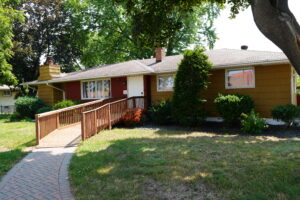
CRS stands for Community Residential Setting. It is a licensed home for adults where paid staff work scheduled shifts, rather than the license holder living in the home. Many CRS homes are small and home-like, and they support people who need regular help but do not need or want to live in a large institutional setting.
In Minnesota, people age 18 to 54 years are the one usually looking for CRS Homes.
CRS homes commonly offer:
Help with:
- bathing, dressing, and other daily activities
- Medication support
- Meal planning and preparation
- Health monitoring and coordination with doctors and case managers
- Behavioral and mental health support
- Help getting out into the community
Who a CRS Home Can Help
A CRS home may be a good fit for adults living with:
- Intellectual or developmental disabilities
- Autism spectrum disorder
- Brain injuries
- Physical disabilities or mobility limitations
- Seizure disorders
- Mental health conditions
- Chronic health conditions that need daily support
The right fit depends on an individual assessment, not a diagnosis alone. A person’s care team should look at medical, behavioral, and personal needs before choosing a home.
How CRS Homes Are Licensed
CRS homes follow Minnesota Statutes Chapter 245D. This law sets standards for staff training, medication help, safety, resident rights, and records. This is different from an assisted living license, which is issued by the Minnesota Department of Health, so it helps to ask any provider exactly which license they hold and what it covers.
Minnesota 245D Licensing and CRS Home Restrictions
Minnesota does not have a permanent blanket ban on every 245D license; instead, legislation enacted in 2025 authorized the Department of Human Services to impose a temporary licensing moratorium, lasting up to 24 months, when exceptional application growth exceeds the state’s determined need for service capacity. CRS homes face a separate, longer-standing capacity restriction: Minnesota established the corporate adult foster care licensing moratorium in 2009 and expressly applied the restriction to new Community Residential Setting licenses when the CRS licensing framework took effect in 2014. As a result, DHS generally does not issue a new CRS license unless the application meets a statutory exception or DHS determines that additional capacity is needed. The laws were reorganized again in 2026, so applicants should review the current Minnesota licensing statute and DHS 245D licensing guidance before applying.
These laws can be difficult to understand, making it important to work with an experienced and knowledgeable provider. Contact 1 on 1 Comprehensive Healthcare Solution for help navigating Minnesota’s complex licensing and service requirements and connecting you or your loved one with the personalized care you deserve.
How the CRS Moratorium Exception Process Works
DHS created an exception process, so people with a real need can still get care. These beds are in high demand in Minnesota.
Here is generally how it works.
Step 1: Start with a provider that already holds a 245-D license (1 on 1 Comprehensive Healthcare Solution holds a 245-D license).
This is the most important starting point. A provider with an existing 245-D license can be considered for adding a needed service to that license. A provider with no license at all is in a much harder spot, since DHS is not accepting new applications for 245-D at this time.
Step 2: The request comes from the county or Tribal case manager. Your provider and help you get this started.
Families cannot submit an exception request directly. It has to come from the person’s lead agency, meaning their county, managed care organization, or Tribal Nation, through that agency’s assigned moratorium liaison. 1 on 1 Comprehensive Healthcare Solution can help, call us now at 763-299-0029.
Step 3: DHS reviews the individual’s specific need
DHS looks at the person’s waiver case and whether there is a real gap in local provider options.
Step 4: DHS decides on the exception
Approval of an exception does not automatically guarantee a license. The provider still has to meet every standard 245-D requirement.
Because of this process, families are best served by working with a provider who already holds a 245-D license and has an established relationship with counties and case managers.
You do not need to figure this out by yourself, call us at 763-299-0025 for free consultation.
How Someone Qualifies for a CRS Home
- Contact the county or Tribal human services office
Complete an assessment, often through MnCHOICES, to identify needs and eligibility
Confirm eligibility for Medical Assistance or a waiver program - Build a support plan with the care team
- Compare licensed providers and visit potential homes
- Confirm the provider can safely meet the person’s needs before admission
- And if there is no license provider in your area willing or able to meet your needs, contact 1 on 1 Comprehensive Healthcare Solution at 763-299-0025 for free consultation.
What to Look for in a CRS Home
Licensing: Ask exactly which license the provider holds and what services it covers
Staffing: Ask whether staff are present overnight, whether they are awake, and how many are scheduled per shift
Training: Ask about medication training, first aid, crisis prevention, and any specialized training for the person’s needs
Accessibility: Check entrances, bathrooms, and common areas against the person’s actual mobility needs
Compatibility: Ask how the provider matches residents based on routines, behavior, and personal preferences
Communication: Ask how the provider keeps families, case managers, and doctors updated
A responsible provider should answer these questions clearly and without pressure to decide right away.
Why 1 on 1 Comprehensive Healthcare Is 245-D Licensed and Ready
1 on 1 Comprehensive Healthcare Solution holds an active 245-D license in Minnesota. Our homes are led by a Doctor of Nursing Practice with over 20 years of healthcare experience.Each home serves up to five or six residents, so each person gets close, individualized attention.
We have direct experience supporting residents with complex needs, including:
- Physical disabilities and mobility limitations
- Brain injuries and stroke recovery
- Seizure disorders
- Dialysis-related care
- G-tube and ventilator care
- Chronic illness and medication management
- Mental health and behavioral health support
- Post-hospital and transitional care
Because we already hold our 245-D license and also have the experience, we are well positioned to help. If a resident needs an additional service, we can work directly with their case manager on the exception process instead of starting from zero.
Start the Process With a Licensed Minnesota Provider
Call 1 on 1 Comprehensive Healthcare Solution at (763) 299-0025 or email admin@1on1comprehensivehealthcare.com to talk about next steps.
More information about Minnesota CRS Moratorium
CRS Moratorium and Licensing
- Minnesota CRS and Corporate Foster Care Moratorium
- Minnesota Statutes, Section 245A.03
- Adult Foster Care and CRS Capacity Management Law
- Minnesota Community Residential Services Requirements
The CRS moratorium page contains the current DHS-6021 form for requesting new capacity, a change of ownership, relocation, a fifth bed, or an exception.
Disclaimer: This information is provided for general educational purposes only and should not be considered legal, licensing, financial, or professional advice. Minnesota’s 245D licensing requirements, CRS moratorium rules, waiver programs, and eligibility standards may change. Always confirm current requirements with the Minnesota Department of Human Services, the appropriate county or Tribal lead agency, a case manager, and a qualified legal or licensing professional before making decisions. Eligibility, service authorization, placement, and funding are determined individually and are not guaranteed. Please contact your county or case worker for up to date, current and service availability. This page is solely for information purpose only.